

How Multi-Location Brands Standardize Looks With Lightboxes
Managing a consistent visual identity across multiple locations can become complicated as a brand expands. Each store, office, showroom, or event space needs to feel connected to the larger organization while still working within its individual environment. Signage gives brands a practical way to create that connection because customers often encounter it before they interact with employees or products.
For marketers and business owners, standardization does not mean making every location identical. It means establishing recognizable visual elements that customers can associate with the brand wherever they encounter it. Understanding how multi-location brands standardize looks with lightboxes makes it easier to build a cohesive presence.
Lightboxes Create a Visual Standard
Consistency becomes easier when a company starts with signage that follows the same specifications from one location to another. A lightbox sign gives a brand a defined structure for displaying logos, messaging, or custom graphics. Companies can establish standards for dimensions, graphic placement, and illumination so individual locations do not need to develop signage independently.
That repeatable format supports businesses opening new locations or updating older ones. Instead of treating every sign as a separate design project, brand teams work from approved specifications and adjust only what the physical location requires.
Standardization also simplifies communication among marketing teams, location managers, and signage providers. Everyone has a clear reference point for what the finished display should look like, reducing opportunities for visual inconsistencies to appear as a company grows.
Consistent Illumination Strengthens Brand Recognition
A logo may use the same artwork everywhere, but inconsistent presentation can change how customers perceive it. Dim lighting at one location and bright illumination at another create noticeably different impressions. Lightboxes provide a controlled illuminated presentation that makes graphics prominent in a range of environments.
This quality matters when businesses operate locations with different ambient lighting. One storefront might sit inside a brightly illuminated shopping center, while another occupies a space with fewer surrounding light sources. Illuminated signage gives the brand a defined source of light rather than relying entirely on each building’s environment.
A consistent glow also gives branded graphics greater visual presence. Customers who repeatedly encounter a similarly illuminated logo more easily connect individual locations with the same organization.
Custom Graphics Keep Brand Elements Aligned
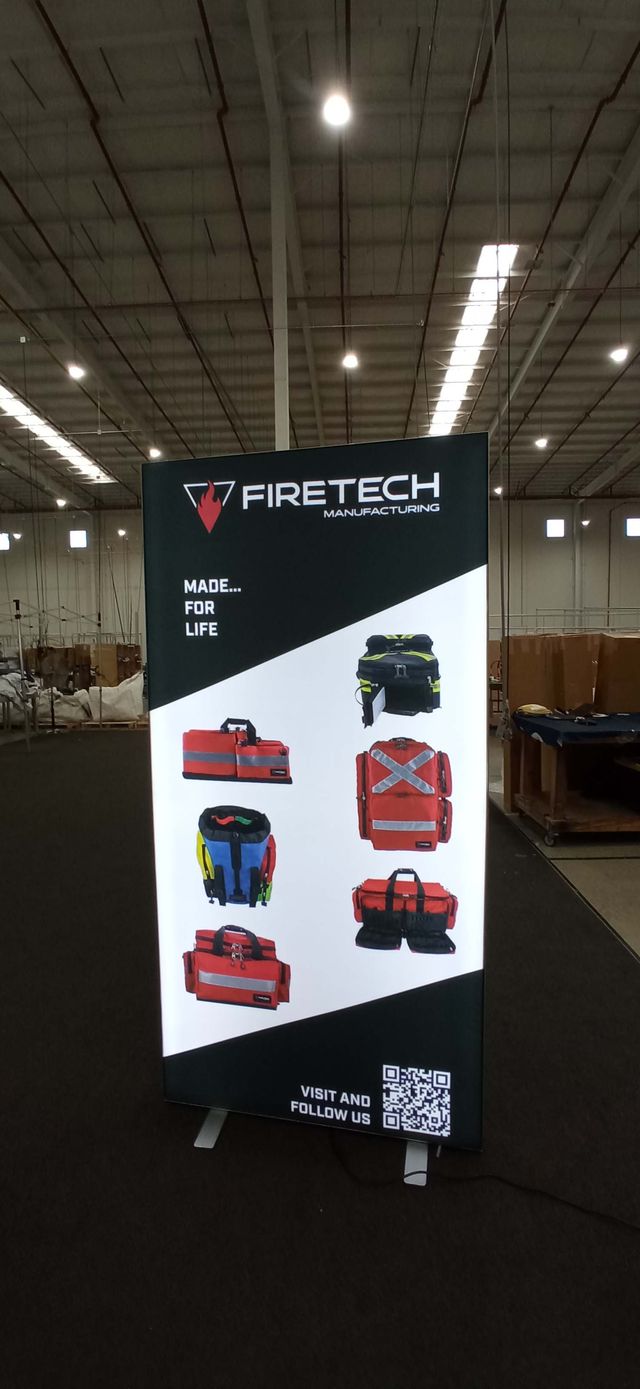
Graphics carry many of the details that define a brand’s visual identity. Logos, colors, typography, and imagery need careful reproduction if companies want customers to receive a consistent impression. Custom lightbox graphics allow organizations to establish approved artwork that can carry across their locations.
Centralizing graphic specifications reduces variations caused by individual locations sourcing their own materials. A marketing department can set requirements for artwork and sizing before production begins. Location teams then receive displays that align more closely with established brand standards.
Multiple Mounting Styles Extend the Look Across Different Spaces
Multi-location businesses rarely operate in buildings with identical layouts. One property may have open wall space, while another needs a freestanding display solution because permanent mounting does not fit the floor plan. A standardized brand program needs enough flexibility to work with these differences.
Lightboxes come in formats that support varied placement requirements. Depending on the project, brands may use:
- Wall-mounted displays for prominent graphics placement.
- Freestanding displays where wall installation does not suit the space.
- Hanging displays for visibility above floor-level fixtures.
- Trade show displays for temporary branded environments.
Standardized Displays Make Location Rollouts More Manageable
Expansion introduces many decisions, and signage should not require teams to restart the design process whenever a location opens. Once a company establishes approved lightbox specifications, it can create a repeatable framework for future rollouts.
That framework might define which display type fits a particular application, how branded graphics should appear, and which dimensions suit common spaces. New locations can then work from those parameters rather than developing an unrelated signage concept.
Repeatability also supports refresh projects across existing properties. When a company updates its branding or promotional materials, established display systems give marketing teams a clear place to begin. They can focus on the new graphics while preserving the broader visual presentation customers already associate with the company.
Coordinated Signage Connects Permanent and Temporary Environments
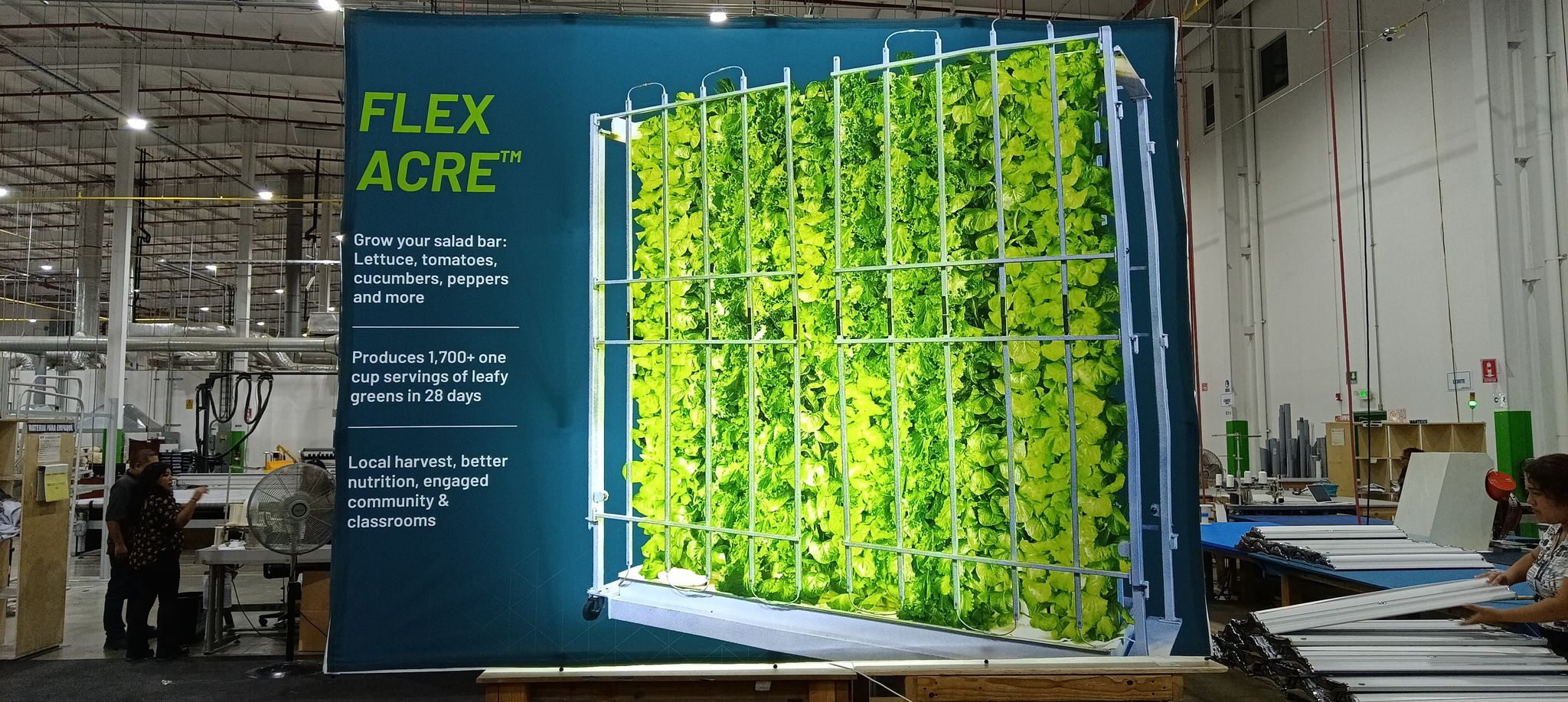
Customers do not encounter brands only inside permanent locations. Companies also appear at trade shows, industry events, and temporary promotional spaces. Those environments can feel disconnected from stores or offices when they use entirely different visual systems.
Illuminated displays offer a way to carry familiar presentation characteristics into temporary settings. A business can use those options to create stronger visual continuity between its everyday locations and event presence.
For marketing teams, that connection supports a more unified identity across customer touchpoints. The physical configuration may change, but recognizable graphics and illumination continue to communicate the same brand.
Lightboxes Support Brand Updates Without Abandoning Consistency
Brand consistency does not require visual stagnation. Companies regularly introduce new campaigns, seasonal promotions, or updated messaging, and locations need a way to accommodate those changes without losing their core identity.
A lightbox program establishes a consistent presentation framework while leaving room for graphics updates. The display itself creates continuity, while the artwork can change according to the brand’s current marketing needs. Customers still encounter a familiar illuminated format even when the message inside it changes.
This balance matters for organizations that want locations to feel current while remaining unmistakably connected. Marketing teams can introduce new creative direction within established signage parameters rather than redesigning the entire visual environment each time a campaign changes.
A Unified Lightbox Program Makes Growth More Cohesive
As organizations expand, visual consistency becomes a system rather than a single design decision. How multi-location brands standardize looks with lightboxes ultimately comes down to creating repeatable specifications while allowing practical flexibility for different spaces. Consistent illumination, controlled graphics, and adaptable display formats give businesses a recognizable visual foundation across their footprint.
At The Lightbox Shop, we focus on illuminated displays and offer both stock and custom signage solutions. Our goal is to connect businesses with products suited to their specific projects while supporting cost, turnaround, design, and service expectations. Contact our team to discuss lightbox options for creating a consistent illuminated presence across your business locations.